Why medical billing software is essential for modern clinics
Introduction
Many patients visit modern hospitals for treatment each day. Medical billing software has become a critical solution for contemporary clinics. It automates the billing process, files insurance claims quickly, tracks payments, and offers financial reports. This reduces staff workload, allowing doctors and nurses to focus more on patients than paperwork. In this article, we discuss why medical billing software is so important for modern clinics and what benefits it brings, along with a detailed look at its features and its importance in the modern healthcare system.

What is medical billing software?
Medical billing software is a digital application designed to help clinics and medical providers with their billing needs. Patient invoices are generated using this system, insurance claims are processed, payments are collected, and financial records are managed securely. Manual billing is time-consuming, since every task has to be done by hand, increasing the possibility of errors. Medical billing software addresses these issues by automating the majority of manual billing processes.

1. Medical billing software overview
Medical billing software is a digital application designed for medical providers and clinics to support the billing process, helping generate patient invoices, process insurance claims, and manage payments while keeping records of all financial transactions securely.
2. Automated billing processes
Medical billing software addresses the problems associated with manual billing and automates the entire process, reducing human intervention, staff workload, and errors associated with manual processes.
3. Advanced software features
Medical billing software comes with advanced features to support other functions in addition to billing, such as appointment management, patient registration, reporting, and revenue cycle management services, offering a complete solution to clinic management.
4. Cloud-based access
The application has cloud-based features that enable authorized personnel to access the system from different locations, offering flexibility to medical providers and clinic management by allowing them to manage important data remotely.
Why modern clinics need medical billing software
The healthcare industry is evolving as patients demand higher-quality services. Clinics and medical providers must invest in modern technology to remain competitive. Medical billing software helps clinics manage their operations better while meeting patients' rising expectations, improving staff productivity within the clinic. The software also aids in monitoring a clinic's income and expenses; reports on daily income, expenses, and insurance claims help management make informed business decisions.
Key features of medical billing software
Each medical billing software comes with a set of features to address different billing needs. Some are more comprehensive while others provide limited functions.

Insurance claim management
Insurance claim management is one of the core functions of medical billing software. The application helps generate, verify, and submit insurance claims to different payers electronically, and helps identify errors on submitted claims, reducing the chances of claim rejections.
Patient billing
The medical billing software helps generate patient invoices automatically once services have been rendered. Information on all patient accounts is stored in the system, making it easier to track balances due to and from patients.
Revenue cycle management
Revenue cycle management is crucial to any medical practice, as it involves monitoring the flow of money between the provider and patients. Medical billing software offers robust revenue cycle management tools that help monitor and manage a clinic's cash flow effectively.
Reporting and analytics
Most medical billing software comes with reporting and analytics features that help generate insightful healthcare reports, including day sheet reports, monthly income statements, and expense reports, aiding effective decision-making within the clinic.
How medical billing software improves billing accuracy
Billing accuracy is vital to every healthcare organization, as errors can cause claim rejections, denying patients their deserved payments. Clinics and medical providers also face financial losses due to rejected or unpaid claims. Medical billing software eliminates or reduces many of the errors that occur during billing, improving accuracy and compliance. Some of the errors prevented include coding mistakes and claim rejections due to incorrect information. Improved billing accuracy enhances a clinic's reputation, as patients are assured of correct billing information and clear payment records, avoiding misunderstandings about their accounts.

When EHR is integrated with a medical billing system, doctors, nurses, and billing staff can share patient information digitally. Every team member can view and update patient information from the same digital platform, eliminating the need to update or share information manually.
The role of EMR systems in modern clinics
Electronic Medical Record (EMR) systems have become essential in modern clinics due to their ability to store patient information digitally. Using EMR systems, doctors can easily view and update patients' medical history and treatment records. EMR systems and medical billing software play a pivotal role in ensuring effective clinic management. Clinics that use EMR systems experience fewer errors when generating invoices and other financial documents, as information is automatically transferred to the billing system once services have been rendered. EMR systems also promote patient safety by ensuring appropriate treatment and medication are provided to each patient.
Benefits of medical billing software for healthcare providers
Medical billing software offers numerous benefits to clinics and medical practices. It helps manage financial records with ease, improves overall performance, and increases revenue. Daily operations are streamlined, reducing staff workload. The most important benefit is time savings: unlike manual billing, where workers spend long hours preparing and processing invoices and insurance claims, this application automates the processes, making them much faster and improving productivity. Medical billing software also increases billing accuracy, reducing denied or rejected claims.
Improving billing accuracy
Medical billing software helps improve billing accuracy and reduces coding errors, cutting claim rejections and facilitating faster reimbursement to patients.
Better financial management
Medical billing software helps enhance financial management within a clinic or medical practice, helping providers analyze their financial performance and track all revenue and expenses accurately.
Health information management
Effective health information management is vital to every healthcare organization. Patient records are important as they facilitate quality treatment, and information on patients' health status is used to make critical healthcare decisions. Health information management ensures that patient records are organized and stored properly. Medical billing software helps manage patient data effectively and can be integrated with EHR systems to ensure patient data is stored digitally and easily accessible when needed.
Challenges without medical billing software
Clinics and medical practices that use manual billing encounter numerous challenges. Paperwork is excessive, and staff spend long hours maintaining billing records. Errors are also very common: coding mistakes can easily occur, resulting in claim rejections due to incorrect information, leading to financial losses for clinics and patients. Delays are common when processing payments too, complicating both the payment process and revenue cycle management.

Manual billing challenges
Without medical billing software, clinics face numerous challenges associated with the manual billing process. Paperwork is excessive, while maintaining billing records is time-consuming. Medical billing software helps reduce these challenges while improving the efficiency of the billing system.
Payment tracking issues
Without medical billing software, clinics encounter numerous financial management challenges associated with the manual billing process, including issues with payment tracking and the generation of financial reports.
Patient billing inefficiencies
Manual patient billing is not only time-consuming but also poses several risks. Medical records may be lost or duplicated, resulting in billing errors, and poor communication between departments may hinder effective patient billing. All these issues impede effective revenue cycle management within a clinic or medical practice. Medical billing software helps streamline communication between the different stakeholders involved in managing patient affairs while minimizing paperwork and errors.
How to select the best medical billing software
When selecting medical billing software, it's critical to consider the features and quality of the software. Apart from the upfront cost, other factors should be considered when choosing the best software, since each clinic has unique needs and the software should be chosen accordingly. Better EHR integration means the medical billing software links with EHR systems, making it easier to manage patient data and process patient claims.
- Time saving: Medical billing software automates the billing process, saving time and effort.
- Improved accuracy: The use of medical billing software minimizes errors, resulting in accurate claims.
- Enhanced data security: Medical billing software has secure systems that protect patient data from being vulnerable to attacks.
- Easy access: Medical billing software is accessible from any device connected to the internet.
- Good customer support: Good customer support ensures that technical problems are resolved promptly, keeping processes running smoothly.
Future of medical billing software
Modern healthcare is embracing new technologies that help transform the healthcare system. Medical billing software is gradually evolving to offer more intelligent services, and the use of cloud-based software in medical billing is increasing. Using this technology, clinicians can access patient data and billing systems remotely.

This feature allows clinicians and patients to access patient data from anywhere as long as there's an internet connection. Software that uses this feature offers better data protection since it's password-protected. This technology is also helpful to clinics because it eliminates the need to maintain expensive hardware. Healthcare providers are investing more in telehealth services since they're convenient for both patients and clinicians, and medical billing software can support these services by helping bill for virtual visits and process insurance claims.
Final thoughts
Medical billing software has become essential and integral to the efficient running of a clinic. It helps speed up the claims settlement process and improves the inflow of revenue, enabling healthcare providers to offer better services to patients. When used alongside Electronic Health Records (EHR) and Electronic Medical Record (EMR) systems, medical billing software enhances patient record management efficiently and effectively, since information about the patient is available and up to date.
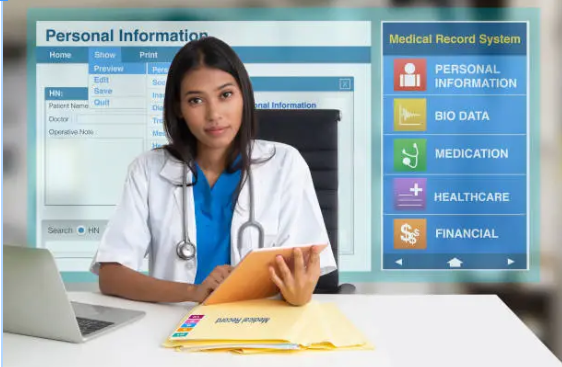
Looking to invest in medical billing software and better serve your patients while improving the efficiency of your clinic? We hope this guide helped you understand what to look for. Invest in medical billing software to improve your clinic's performance and stay ahead of the curve in the fast-moving medical billing world — the right software can make all the difference now and for the future of your business.
FAQs
1. What is medical billing software?
Medical billing software is an electronic application used to manage patient affairs, such as processing claims and managing payments.
2. Why is medical billing software essential?
Medical billing software helps automate and expedite the billing process and also improves the inflow of revenue.
3. Does medical billing software support EHR?
Yes, this software collaborates with EHR systems, making patient record management efficient.
4. What is the best thing about medical billing software?
The most significant advantage is increasing the accuracy of claims processing and improving the speed of payment settlement.
5. Can the use of medical billing software benefit small clinics?
Yes, it can benefit both small clinics and large hospitals.