How Electronic Healthcare Record Systems Support Better Patient Care
Improving patient care within the modern healthcare ecosystem requires accurate information delivered rapidly, documented accurately, and services that reach caregivers in a coordinated fashion. Medical history and information on a patient's current health are required for doctors, nurses, specialists, laboratory staff, pharmacists, and other healthcare professionals. The actual Healthcare workflow could be slow and complicated if critical insights are hard to find . EHR systems are designed not just to be a replacement for paper but also to give healthcare professionals immediate access to patient medical records, provide a comprehensive overview of patient history, enhance communication, and support care coordination.
Need for Electronic Health Record System
EHR—An Electronic Health Record System is a digital service that uses electronic methods to write, store, update, manage, and access health-related information of the patient. During different visits and healthcare services, authorized healthcare professionals can access patient records. Patient demographics, medical history, as well as diagnoses, along with Medications, Allergies and Lab results Imaging Reports Clinical Notes Treatment plans. Follow-up: Digital records are typically much easier to search and update than paper ones. This enables efficient review of patient information available and management of the care pathway in a more organized manner.
Better Patient Care Needs Better Information?
The EHR system helps consolidate pertinent information within a centralized digital space. This can allow quicker access to the patient's available record by parties who are authorized to do so and makes it easier to quickly identify information relevant to such decisions in healthcare.
The Importance Of Easy Access To Patient Medical History
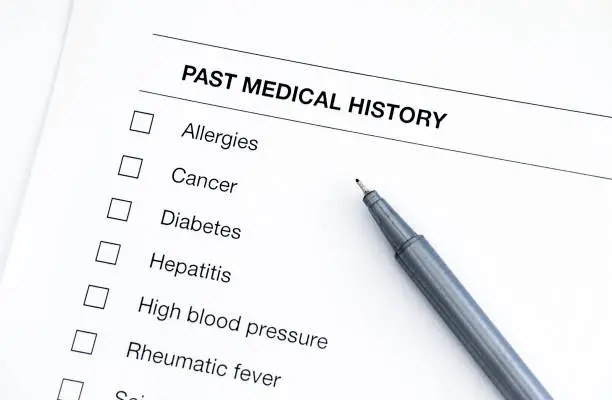
One of the main advantages of improved patient care is the ability to access a patient's medical history quickly. Test results, previous visits, prescriptions, history of common diseases, and clinical notes can all be accessed from a digital record for a patient. Even better, this information can be useful in giving doctors a more holistic view of the patient if they see new providers or specialists. It is very useful for long-term patients because we should look at the information about their health over a span of time. Rapid access will allow clinicians to consider the current state of a patient with the backdrop of available historical data and should facilitate easy extraction of key information.
Quick Access to Medical History
Because they use data as far back as October 2023, EHRs assist doctors in rapidly reviewing the past medical information of a patient. There will be details of previous visits, diagnoses, medications, allergies, and clinical notes all saved in the electronic record. Healthcare professionals will search the system for that information and use it where needed. This may facilitate the review of a patient's history.
Review Complete Patient Information
Helpful medical data if the patient sees a brand-new physician or provider. We can see the history of lab reports, treating physicians, diagnoses, and other clinical details. This knowledge is valuable for a more holistic understanding of the individual's health history. This reduces manual collection of relevant history.
Support Long-Term Care
For long-term patients, constant updates of their medical records may prove to be similar to the more conventional paper record. Electronic records capture patient healthcare information and are updated over time. It helps healthcare providers to see past information in the current context. This expedites access, thereby helping make continuing patient care much more organized.
Top features of EHR systems that help provide care to patients
Our EHR systems can assist patient care in a variety of ways, especially when the system is deployed correctly and the patient information is accurate and updated. These systems are valuable for rapid records retrieval, simplifying medical record-keeping, monitoring medication lists, documenting allergies, reviewing lab results, facilitating provider communication, and coordinating care follow-up alongside communication through patient portals.
You can access patient medical history in a short time.
You can quickly pull up your medications and allergy history.
Laboratory tests can be obtained in a structured format.
It can promote better communication between providers.
This includes management of follow-up information and appointments.
Limited information is available in patient portals.
Paper-based documentation may be reduced.
Care coordination might get better attention.
Improved Medication Management
The management of medication therapy plays a crucial role in the care that patients receive, because it is common for patients to be receiving multiple medicines at one time; clinicians need accurate information regarding an up-to-date list of all medications being taken by the patient as well as details related to any previous medications prescribed. Other providers of EHR have medication alerts, allergy alerts, and dosage checks; some even have tools to check for drug interactions. These functionalities may support health professionals in detecting potential problems related to the use of medications.
Better Allergy Information

Knowing patient allergies is critical while planning their treatment. The risk of inappropriate medication increases if their known allergies are not recognized by healthcare providers. Some EHR systems also allow users to log and update the percentage of allergies available in a patient profile. Certain systems additionally point out allergies by way of alerts, which may help healthcare providers observe pertinent information throughout patient care. This functionality is dependent on accurate documentation, meaning it must be updated frequently, as outdated or incomplete information can be detrimental to patient care.
Easier Access to Laboratory Results
Laboratory investigation is a crucial part of diagnosis and patient monitoring. EHR systems are capable of electronically linking lab results with patient records and are viewable by physicians or authorized healthcare personnel. If outcomes are also captured in the record, clinicians can find support for tracking changes.
Better Communication Between Healthcare Providers
Multiple healthcare professionals: Patient care usually includes work from not one but many individuals such as primary doctors, specialists, nurses, pharmacists, laboratory professionals, and other providers. An EHR facilitates the exchange of pertinent patient data between authorized healthcare providers.
Benefits for Doctors and Nurses
Given that doctors and nurses transact thousands of patient data points daily, the easy access and document pathways EHR systems provide are a great entry point into observation. You are able to review patient histories at a glance, keep clinical notes properly arranged, access medication information readily, locate lab results quickly if the treatment plan is recorded digitally, and monitor follow-up information. Reducing redundant paperwork and streamlining workflow for healthcare professionals helps EHR systems remain highly thoughtful in their practice regarding the time spent on clinical tasks.
Better Patient Follow-Up
It is not a one-time visit for patient care. There may be potential for frequent follow-up in chronic conditions, recovery after acute illness, preventive care, and long-term condition management. An EHR system can securely store details regarding past encounters, care plans, scheduling information, test outcomes, medications, and any notes made to revisit at follow-up. It also helps the healthcare provider organize the next visit by going through previous data. Documenting follow-ups in electronic records may assist the health care team in understanding the patient journey, allowing for easier organization of future care planning.
Key Point
Chronic diseases and treatments that span a long duration need regular follow-up.
EHR systems can store former visit details.
You can save treatment plans and appointment records digitally.
It also contains information about test results and medication.
These notes can also be stored in the patient's digital record.
Support for Preventive Care
Preventive services can include regular screenings, vaccines, and health checks; basically, all preventive care options. EHR systems can document preventive care data, and select platforms include reminders. These reminders may guide healthcare professionals in addressing patients' preventive care needs promptly. Digital records of past screenings and vaccinations can also be reviewed by health care providers now potentially able to more systematically implement follow-up planning based on available information.
Better Patient Engagement
Modern EHR systems also empower patients to take a more active role in their healthcare information. Patient portals provide patients with access to some health information, details about upcoming appointments, results of available tests, messages, and documents. By providing patients access to the right information, they will better understand what is involved in their healthcare journey and stay connected with their providers. Features for patient engagement make it easy for healthcare organizations to communicate with relevant patients as timely as possible.
Patient Portal and Communication
Patient portals are also helpful since they provide a digital link between EHRs and the patient for improved communication, education, and engagement. Patients may be able to submit appointment requests, view available reports, message healthcare providers, and retrieve follow-up care information depending on the system. This may help reduce unnecessary communication by telephone and paperwork for normal communication. Appropriate access to digital technology can assist in making healthcare information more accessible and convenient for patients via patient portals.
Access Healthcare Information
Patient portals have proliferated in the United States, allowing patients to access their healthcare information electronically. Patients can access various reports and follow-up information depending on the system. Patients may find it easier to access records with relevant information that is readily accessible online. This can help to eliminate unnecessary paperwork for standard information.
Support Digital Communication
Digital communication between healthcare providers and patients can be supported by a patient portal. Providers are able to message patients who send inquiries, and vice versa, to follow up. The portal can manage regular questions and communication. This can help eliminate unwanted phone calls.
Manage Appointment Requests
Some portals allow patients to submit appointment requests. Or appointment-related requests can be submitted digitally by patients themselves, depending on the options available. These requests can be viewed and administered in the system by staff. This helps to streamline and facilitate appointment communication.
Less Testing Duplicates and Information Gaps
Access to patient information within connected healthcare processes provides health care professionals with a broader view of previous tests, treatments, medicines, and other relevant data. This may limit unnecessary repetition in certain circumstances; however, repeating tests is always at the discretion of the current clinical indication and the patient. Making information more easily available also helps close the gaps caused by missing records and poor communication. This way, EHR systems help healthcare professionals to go through the history of patients more efficiently.
Better Emergency Care Support
Healthcare workers need to be able to access the patient's available medical information in a time-pressured scenario such as an emergency. EHR systems assist authorized users by providing information regarding allergies, medications, diagnoses, previous medical history, and more. This information would be especially useful for practitioners to quickly understand what had been documented in a patient's history. Yet, EHRs are only as good as a system's uptime, permissions, ability to interoperate, and documentation; therefore, digital records serve as a source of information that can be accessed during emergency care.
Benefits of EHR Systems for Patient Care
EHR systems can offer numerous benefits to healthcare entities for enhancing care delivery. From patient history review by the healthcare professional to documenting clinical information on paper, digital information convenience makes everything so easy. By connecting various providers to pertinent patient information, we can better communicate and coordinate care. Patient portals and communication facilitate patients in making an efficient interaction with healthcare services.
Support for Telehealth
By integrating telehealth services with EHR, it can make patient care more connected. During the consultation, the healthcare provider can view the patient's available medical record and write down notes from their virtual consultations in this digital record as part of the medical consultation. Depending on the capability of the EMR, other information such as treatment plans, prescriptions, and follow-up instructions may also be kept within an EHR system. This integration may link virtual visits with the wider context of a patient's healthcare background.
Key Points
Integration of EHR with telehealth services can make them more connected.
During e-visits, patient records can be reviewed by the healthcare provider.
Patient Data, including a History of Present Illness
You can also keep records of the consultation notes in a digital space.
Keep treatment plans within the EHR.
This can include prescriptions and follow-up instructions.
The EHR will also include other relevant information about the patient.
EHR and telehealth integration: Linking remote consultations to established patient care workflows.
Interoperability and Connected Care
Interoperability allows sharing information over multiple healthcare systems. EHR systems can integrate with other healthcare platforms such as laboratory, pharmacy, imaging, hospital, and specialist ones. If there are useful integrations and appropriate permissions available, connected systems have the potential to give healthcare providers access to up-to-date information on patients. In particular, with the rise of multi-provider healthcare activity settings like Illinois, enhancements in interoperability are helpful to facilitate better care coordination and minimize information gaps.
Reporting and Patient Care Analysis

EHR systems are capable of creating various reports regarding patient care details. Healthcare organizations have the ability to analyze patient visit patterns, diagnoses, treatments prescribed, medications given, laboratory activity conducted, follow-up frequency, and other data elements that are available. Reports help healthcare management identify operational trends and can show areas where improvements may be necessary. For quality improvement programs, healthcare utilization monitoring, and resource management analysis, among others.
Tricks for utilizing Electronic Health Records (EHR) systems
To ensure maximum benefits from an EHR system, healthcare organizations should focus on proper implementation and monitoring. Key steps you should always take include: Know the number of staff you need. Evaluate existing workflows. Prioritize accurate data entry; train staff through practical exercises; implement security policies; test all system integrations; practice patient safety; perform regular backups; request feedback from staff. Without proper implementation, healthcare professionals struggle to use digital systems and manage patient care workflows efficiently.
Challenges of Using EHR Systems
Although EHRs are beneficial, they also present challenges in implementation. Deployment cost, employee training needs, workflow alterations, technological problems at the new implementation stage, cyber risks, data transition to a new EHR system, interoperability issues that lead to unnecessary changes in data formats, and, last but not least, end-user resistance. When the system is complex, it requires more time for healthcare professionals to complete everyday tasks. This means that a user-friendly system should be chosen by healthcare organizations, adequate training must be given to staff, and the system should also undergo thorough testing before implementation.
Conclusion
In modern-day healthcare, Electronic Health Record systems are one of the key digital tools to be leveraged in order to facilitate better patient care. They keep patient information organized, easy to access, and simple to manage, so that healthcare personnel can go through pieces of relevant information quickly If EHR technologies are to be provided with accurate data, trained clinical staff for efficient ocular treatment, a robust security system implemented for protection against hackers, and technical technicians on deck for continuous usage of systems without any breakage, then there is a mature opportunity that EHRs can provide practitioners with a more holistic view of real-time patient information at point of care, therefore supporting the clinician in establishing a better-organized unit that harmonizes overall patient experience by networked care delivery systems.
Frequently Asked Questions
What Role Does an EHR System Play in Helping Doctors?
Characteristics of EHR: Allowing providers to quickly review and update patient histories, medications, laboratory results, clinical notes, treatment plans, and follow-up information. Digital documentation also aids in better managing patient information for doctors.
Can patients access their EHR?
Many healthcare organizations provide patient portals. Depending on the healthcare provider, portal, and system permissions, patients can access appointments, reports, messages, or selected health information.
Do EHR systems improve communication?
Correct, yes, EHRs can help with relevant patient data sharing and authorized healthcare professionals' coordination. Information is better available as of now, which can maintain communication gaps.