

How Veterinary Software Helps Manage Animal Healthcare
With modern veterinary clinics in place, the need for data, treatment handling, appointment management, medication trackers, laboratory result guides, vaccination schedules & communication is indispensable for animal care. 8. The veterinarian must keep records of the medical condition and upkeep of each animal. In busy clinics, continuing to use paper files and manual systems can make it difficult to manage, track, and share information. Veterinary software is the solution to these various challenges, allowing clinics to organize animal records in a central database with digital tools for scheduling appointments, recording treatments, entering medications and billing information, and accessing laboratory results and client communication. This technology can allow veterinary teams to manage their daily workflow more effectively and assist in the coordination of animal healthcare.
Key Points
In animal healthcare, accurate information is paramount.
Veterinarians should be informed about the animal's past treatments.
Details in particular about vaccinations, allergies, and medication are also of great help.
As part of your duties, ensure medical conditions and test results are maintained.
Manual records may contain incomplete or outdated information.
Veterinary software organizes patient information digitally.
Digital Animal Medical Records
Veterinary software is typically centered around digital medical records. You can create a profile for every animal and track species, breed, age, sex, weight, and identification information, as well as owner details and medical history (allergies, vaccinations, diagnoses, treatments, and clinical notes), among many other features. The vet only adds data after each visit and checks older data during future appointments. Digital records that are organized enable veterinary professionals to have more insight into the animal's history of health care and allow for fast reviews of medical information important for the current treatment.
Animal Healthcare Management Features

Just like traditional software, the nature of features is not different from that of modern veterinary software, providing flexibility in managing animal healthcare. They are designed to organize clinical information, automate everyday tasks, and connect patient care workflows for veterinary professionals. Thus, clinics should look for software that offers key healthcare functions, along with ease of use for staff.
Digital animal medical records.
Appointment and calendar management.
Vaccination and preventive care tracking.
Medication and prescription management.
Laboratory and diagnostic record management.
Treatment plan documentation.
Follow-up reminders.
Client and pet owner communication.
Reporting and healthcare analytics.
Better Appointment Management
Authorization is a significant process in the workflow of animal healthcare. Veterinary software allows digital calendar bookings for consultations, vaccinations, surgeries, follow-ups, and checkups, amongst other services. It allows reception staff to view availability and rearrange or delete appointments. Automated reminders can help remind pet owners of the upcoming visit. Improved management of appointments can facilitate arranging waiting times, coordinating staff schedules, and more fluid management of daily clinic activities.
Medication Management
Medication management is an example of a service that plays a prominent role in the veterinary healthcare landscape because not all animals are treated with the same medicine or on the same treatment schedule. Veterinary software is capable of relating medications to separate animal files and assisting with digital record-keeping for prescriptions. Veterinarians can record the name of the medication, dosage instructions, length of time, and other important treatment notes. Several platforms also offer alerts or other forms of medication management systems. Digital medication records make it easy for the veterinary team to refer back to previous treatments and also keep current medications organized.
Treatment Plan Management
The second involves clinical assessment in animal healthcare, where data collected through diagnostics is also used to make treatment plans depending on the condition of the patient and based on non-invasive/circumstantial evidence by a veterinarian. Record of Treatment Plans: Veterinary software allows you to record treatment plans digitally, a huge advantage in the veterinary field. The veterinarian can note treatments, medications, procedures, or anything that should be followed with follow-up visits and where the pet can go for care. On subsequent visits, staff can pull up information on previously treated patients and show the patient how they've progressed compared to the history that is documented. This can also help streamline the management of long-term treatment and provide continuity of care.
Laboratory and Diagnostic Records
Test methods are useful in veterinary medicine, especially for diagnosis and monitoring. Laboratory results, imaging reports, pathology information, and other diagnostic records can be linked to an animal's digital profile using veterinary software. This allows the vet to see past reports alongside current results and also make relevant clinical notes. Digital diagnostic records can help manage data and also reduce the need to search for information in paper reports.
Benefits of Veterinary Software
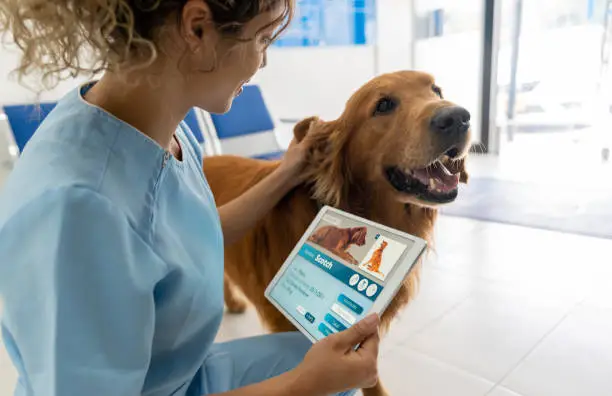
Veterinary software is helping administer animal healthcare in a more systematic and productive manner. While easy access to information is offered by using digital patient records, appointment and vaccination tracking leads to easily managing routine healthcare schedules. Documenting medication and treatment provides access to past care, keeping essential test information linked with patient records and laboratory integration. You will always be able to keep an eye on appointments, reminders, and follow-up information through timely communication with pet owners using client communication tools.
Specific information about animals can be accessed with ease.
It is useful to keep medical history in a well-formatted form. Vaccination schedules are easily trackable.
Digital management of medication details.
Establishment and proper documentation of treatment plans
Follow-up appointments can be arranged.
Perhaps communication by pet owners will improve.
Administrative paperwork can be reduced.
Improved Communication With Pet Owners
Pet owners want clear insight into their animals' appointments and vaccinations, medications they receive, and test results, as well as follow-up care. Depending on the system, these communications can occur via email, SMS, patient portal, or app-based communication in veterinary software. Automated reminders remind pet owners about appointments, upcoming appointments, and preventive care schedules. More effective communication may lead owners to better understand their responsibilities in terms of healthcare for their pets and remain in regular contact with the clinic.
Support for Veterinary Staff
The software is also helpful for veterinary technicians, receptionists, assistants, and administration. Receptionists can manage appointments and client data; technicians can update treatment notes and medications taken; admin staff can do the billing and inventory. Sharing of information can also become simpler when different staff use the already connected system. This helps minimize duplicate data entry and to streamline daily clinic workflows.
Inventory and Medication Stock Management
In animal healthcare, ensuring adequate medicine, vaccine, and surgical material supplies, laboratory materials, and other products is critical. Veterinary software, through inventory management features, can assist in tracking available stock and usage information, along with purchase date and expiration details. Low-stock alerts can inform employees when it is time to reorder essential supplies. Optimizing inventory management is a powerful way of ensuring medication supplies, minimizing avoidable waste, and setting up clinic resources in an optimal manner.
Billing and Healthcare Services
In addition to medical consultations, veterinary clinics have to deal with charging for vaccinations, laboratory tests, surgeries, medications, imaging, and much more. You could leverage veterinary software for billing; you can associate animal or client records to create invoices. Some platforms even allow you to track payments and outstanding balances digitally. Structured invoices can lessen the administrative burden and also assist the clinic in keeping their accounts balanced.
Benefits
Billing and Healthcare Services
Veterinary services and procedures can be well organized.
Arranged billing management for immunizations, labs, surgeries, and drugs.
Services can be linked to animal records or client records.
It is useful to create invoices quickly.
You can also keep track of payments and pending dues digitally.
Maintaining financial records is easier.
The clinic billing process can be streamlined across types of accounts.
Better Follow-Up Care
Follow-up appointments can be more streamlined.
Plans and treatment plans can be monitored and recorded in a digital manner.
It also contains a record of your vaccinations and medications.
They allow veterinarians to understand how the animal has progressed.
Follow-up care after normal treatment is easier to handle.
It can be used to maintain important reminders and future care information.
Better organization means better follow-up, which translates into more consistency in animal care.
Better Follow-Up Care
Staff are able to schedule upcoming follow-ups and provide reminders to pet owners. It also helps veterinary teams ensure the proper care is provided, as well as helps to keep relevant follow-up information organized within the animal's record.
Data Security and Privacy
Beyond medical records, veterinary software might hold information about pet owners' contact numbers, billing addresses, and other private information. Hence, it has a lot to do with data security. Any modern system has the ability to provide role-based access, password authentication, encryption, secure backups, and audit logs, along with access control. Clinics need to periodically audit user access privileges and conduct staff training on privacy and cybersecurity practices. Good security practices are able to protect digital records against unauthorized access and the risk of data loss.
Mobile and Cloud-Based Account
For example, cloud-based veterinary software can give authorized personnel the ability to access animal-building records and clinic information from any internet-enabled device.
Veterinary Software: Tips for Managing Minimal Healthcare
Proper procedures and staff training are most needed for the efficient use of veterinary software in a clinic. Scheduled Updates: Keeping animal records up to date and entering accurate information are critical, as is checking the correct medication record on file, ensuring vaccinations have been recorded in the right fields, proper scheduling of follow-up appointments, and following security policies. Provide staff with practical training on major functions of the hardware so that they can properly utilize the system. Reliable technology is key to maintaining ongoing animal healthcare workflows, so regular updates and performing backups and performance checks are also key.
Integration With Diagnostic and Other Systems
The new generation of veterinary clinics can integrate with laboratories, imaging systems, pharmacies, payment platforms, accounting tools, and communication services. Veterinary software integrated with these systems can lead to a more streamlined flow of information. You can connect data from laboratory results to patient records, and billing and inventory data are similarly handled in integrated workflows. Integrations can cut down on duplicate data entry and save time by allowing staff to transfer information between multiple platforms.
How Veterinary Software Saves Time
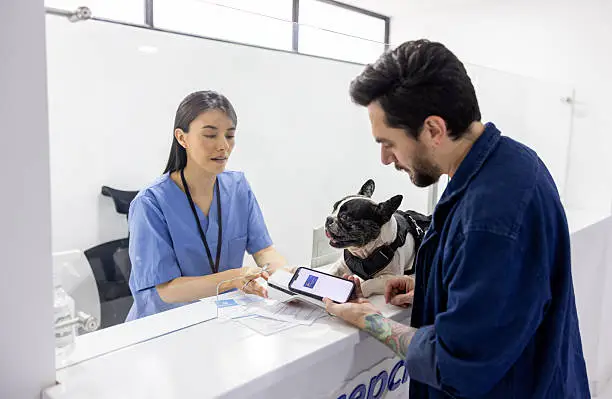
The time-consuming parts of manual paperwork involve sleuthing through animal records, looking up appointments, determining when vaccinations occur, collecting accounts and receipts, and sorting laboratory reports. These tasks can be simplified through digital workflows using veterinary software. They can be integrated with search functions that assist staff in quickly locating patient records, and automated reminders can streamline routine communication. Digital templates allow for speed and uniformity in documentation. In this manner, software assists veterinary groups with dealing with everyday managerial undertakings and can help them better commit available time to patient care exercises.
Future of Animal Healthcare Software
Automate routine reminders and simplify administrative workflows, while analytics can help clinics understand patient and business trends better. While clinical judgment from veterinary professionals will still be fundamental, AI-based tools can be used to assist in certain areas of documentation and information organization. Future systems are expected to be better connected, more usable, more secure, and even include personalized animal healthcare support.
Adopt Advanced Technologies
Veterinary software will likely be more cloud-based, involve artificial intelligence, have whole new types of automation, and include mobile applications. These technologies can help clinics track animal records & day-to-day workflows. More sophisticated tools can facilitate information organization and access. Thus, it would provide flexibility and efficiency for the digital systems of veterinary clinics.
Support Personalized Animal Care
There are tools based on AI that can help with some facets of documentation and information organization. The role of clinical judgement explored here will also be important in future systems. And so they may allow for even further personalization and connectivity between animal healthcare professionals, leading to future veterinary software.
Conclusion
Veterinary software serves as a digital platform for pet care management, thus offering modern veterinary clinics well-organized healthcare. Digital records for animals allow vets to review the animal's medical history at a glance, while digital tools such as appointment scheduling and management, vaccination management, medication management & reminders, laboratory entries, and e-follow-up tools further structure the daily health care workflow. Used in conjunction with the specific needs of your clinic, veterinary software can help everyone in a clinic manage animal information more efficiently, provide easy access to day-to-day work processes, allow for streamlined communication, and ultimately lead to better organized and effective healthcare services.
Frequently Asked Questions
What is veterinary software, and how does it help in managing animal healthcare?
Veterinary software helps you manage your animal medical records, appointments, vaccines, medicines, lab results, treatment plans, and follow-ups, as well as communication with clients, in a digital format.
What can veterinary software do for multiple animals?
Yes, veterinary software typically includes the ability to have individual animal profiles. Depending on the software, multiple animals are arranged by each pet owner.
Can veterinary software manage medications?
Yes, veterinary software can help record names of medicines, dosage instructions, treatment period, and prescription details. Certain platforms will also supply you with medication inventory and alerts.