

Benefits of Using Veterinary Software in Veterinary Clinics
Keeping accurate records, organized appointments, treatment plans, medication tracking, laboratory information, billing, and inventory management, along with effective communication with clients, is a must-have for managing animal healthcare in modern veterinary clinics today. In busy clinics, managing paper files and a manual system can become time-consuming when dealing with multiple animals/pet owners each day. "Veterinary software" refers to clinics having a digital platform for managing clinical and administrative information. For example, it allows the veterinarians and clinic staff to access patient records instantly, perform routine tasks easily, enhance communication, and streamline animal healthcare workflows.
What Is Veterinary Software?
Veterinary software is a specialized digital system designed to help veterinary clinics and animal hospitals manage animal healthcare and business operations. It can store animal medical records, owner information, appointments, vaccination records, diagnoses, medications, laboratory results, treatment notes, invoices, payments, inventory, and follow-up information in an organized way. Trained staff can quickly search, review, and update the required information. Each veterinary software platform offers different features, so clinics should choose a suitable system based on their services, patient volume, staff size, budget, and daily workflow.
The Need for Digital Software in Veterinary Clinics
Veterinary clinics handle an abundance of information on a daily basis. Having a proper record of the medical history, vaccination records, medications being administered, and allergies. Veterinary software consolidates vital information in a centralized digital environment. This gives access to animal records and facilitates updates and information management for authorized personnel, as well as appointment scheduling and the overall management of daily clinic operations.
Key Benefits of Veterinary Software

Veterinary software can offer many advantages to veterinary clinics, both clinically and administratively. These include digital records that organize patient information, appointment tools that help manage daily schedules, and medication and vaccination tracking functionality to support routine health care activities. However, billing, inventory, reporting, and communication features can further optimize business functioning within a clinic. Properly implemented, veterinary software supports the staff in performing routine tasks and helps them to concentrate on animal care activities more efficiently.
Quickly find patient files for animals.
Appointments and follow-ups are easily manageable.
Vaccination schedules can be tracked.
A digital approach enables you to store medication information.
Laboratory results can be coordinated.
Billing and payments can be handled.
Inventory levels can be monitored.
Pet owners might become better communicators.
Generate Analytics and Clinic Reports.
Better Animal Medical Records
Digital animal medical records are the foremost advantage of veterinary software. Every animal can be assigned a standalone profile that logs species, breed, age, sex, weight, ID information, owner information (photo), allergies, and vaccination histories, along with diagnoses/procedures/medications/tests/labs by date/case notes. Veterinarians can update records after every appointment and can easily look up previous data when the pet revisits. Systematic records availability enables veterinary professionals to glimpse at a medical record of previous healthcare aspects of the animal and acquire information that needs to be paid attention to during its visit.
Faster Access to Patient Information
Now, pulling information quickly really helps in a busy veterinary clinic. Paper data is tedious to search through, particularly in veterinary clinics with a high number of animal records. Veterinary software search functions allow your staff to find an animal profile in no time. You have a digital profile that might include previous diagnoses, medications, vaccination records, laboratory reports, and treatment notes. Immediate access enables staff members to go through data and organize the complete consultation process.
Improved Appointment Management
To allow appointment scheduling in a veterinary clinic. Vet software gives you the option of a digital calendar in which consults, vaccinations, surgeries, checkups, follow-ups, and other services are scheduled. Staff can view all available hours they even have the option to reschedule or cancel appointments. Automated reminders are useful to remind pet owners about their upcoming appointments. Better scheduling can reduce appointment conflicts, organize staff workloads, and ensure daily clinic activity runs smoothly.
Scheduling a veterinary appointment digitally is easier to do.
This is where consultations, vaccinations, surgeries, and checkups can be organized.
First of all, appointments can be rescheduled or terminated easily.
Automated reminders remind pet owners about their appointments.
Improved Scheduling Minimizes Conflicts in Appointments
This helps to streamline the staff workload.
Assisting & managing day-to-day clinic operations
Better Vaccination Tracking
Vaccination is an important part of animal preventive healthcare. Veterinary software can keep track of your vaccine records in a digital format, including vaccine name, administration date, and next due date, along with any related notes. Staff can review future vaccination schedules easily, and some systems even provide automatic reminders. Sending timely notifications to pet owners can help support follow-ups for routine vaccinations and preventive visits.
Improved Medication Management
Medication management is significant in veterinary clinics since animals might obtain distinct types of medications and dosages for various conditions, especially if treated with them. Veterinary software serves to link medications with the records of individual animals. Based on this information, veterinarians can scan prescriptions and enter dosage instructions, treatment duration, and prescribed notes. Several platforms have medication alerts and integration with inventory, etc. Well-organized medication records help the veterinary staff get a clearer picture of your pet's current and past treatments.
Better Treatment Planning

Veterinary software provides an option to document treatment plans in digitized form. It can record veterinarians' diagnoses, recommended treatments, medications, procedures to be performed, follow-up visits, and care instructions. The veterinary team can review the previous treatment plan and see any information available on the animal's progress throughout future visits. This provides a tidier record of the health history of an animal and can facilitate continuity across visits.
Improved Laboratory Management
Laboratory tests and diagnostic reports are one of the key components in the animal healthcare market. Veterinary software can link laboratory findings, imaging reports, pathology details, and other diagnostic information with an animal's electronic file. Veterinarians are capable of comparing results to earlier reports and recording relevant findings with clinical notes. Another feature would be reducing physical searches of paper reports and helping to keep diagnostic details in an organized manner in the lab/administration.
Advantages for Veterinary Staff
Veterinary software isn't just designed for the vets the receptionists, veterinary technicians, assistants, managers, and admins will all use it too. Reception staff manage appointments and client info, technicians update treatment and medication records, and administrative staff handle billing/inventory. A connected system allows you to share the information you require as and when different team members use it. This will minimize duplicate data entry and ensure the whole clinic runs more smoothly.
Better Pet Owner Communication
Here is an overview of your companions with appointments, vaccinations, medications, laboratory results, treatment plans, and follow-up care—something that pet owners generally want to access promptly. Depending on the platform, there may also be email, SMS, patient portal, or app-based communication features in those veterinary software platforms. Reminders could be sent automatically to inform pet owners about an upcoming visit or preventive care schedule. With company keywords, it would be possible to help owners to understand their pet health care needs over time and maintain correspondence with the clinic.
Billing and Payment Management
Veterinary clinics have to manage pricing for consultations and surgeries as well as medications, vaccinations, laboratory tests, and imaging, as well as other services. This is where the veterinary software can start to assist you in producing invoices, recording what services you have rendered, and tracking payments received and unpaid balances. There are even some that offer online payment capabilities and integrations with accounting systems. Billing details are grouped to minimize administrative burdens and help the clinic properly manage financial transactions.
Improved Clinic Efficiency
With veterinary software, various clinics' workflows can be organized in a unified digital space. This means that certain reception staff can deal with appointments, veterinarians can update the patient records, technicians can document details about treatment administration, and billing staff can perform invoice-related activities. Having data in one central system means there are fewer instances where staff need to look through a paper file or individual spreadsheets. This can make your daily operations more systematic and enable you to utilize staff time effectively.
Better Data Security
Veterinary clinics might record contact and billing details of pet owners, alongside records of animals. This is why data security ought to be an essential part of your veterinary software. User authentication, role-based access, encryption, audit logs, secure backups, and access controls are a few of the elements that modern systems can provide. Clinics should periodically review who is authorized to access information and train staff on data privacy and cybersecurity practices. Proper security can prevent unauthorized and malicious access to sensitive information, as well as reduce the possibility of data loss.
Tips for Choosing Veterinary Software
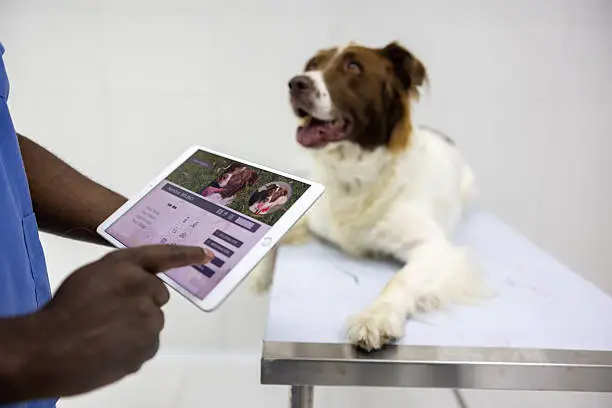
On the other hand, all feature-loaded software for a veterinary clinic is not helpful. It would also examine usability, security, reliability, price, customer support, and integrations offered by the clinic software, as well as what training modules are available for your teaching this miracle solution. There are some clinic software applications that fit in well with existing workflows and can be easy for staff to learn. The clinic should also prepare a demonstration or trial on key features so that the staff can assess practical system usability before making a final decision.
Reporting and Analytics
Veterinary software offers clinic management various reports and analytics. Used data that is created during patient visits and appointments, which ultimately helps to determine revenue, services, and inventory information about vaccines themselves or other medications that can be found there. These reports may help clinic managers to not only assess performance with regard to operations but also identify trends. Most of these can be supported through some sort of analytics tool to review availability, appointment patterns, inventory usage, and financial data. Informed Operational Decisions: Data visibility allows clinic owners to make better decisions about their business with the data available at their fingertips.
Long-Term Benefits for Veterinary Clinics
Veterinary software is not only beneficial for reducing paperwork in the long term. Digital records can help a clinic achieve more consistent animal healthcare information, enhance relationships with clients, organize staff workflows more effectively, and understand how the business performs over time. For a growing clinic, digital systems can offer scalable tools to handle more animals, clients, appointments, and services. Specifically, a smart system can make the clinic more ready for future tech integrations & changing healthcare workflows.
Conclusion
Veterinary software provides multiple clinical and administrative benefits for veterinary clinics. Animal medical records help veterinary professionals access patient history quickly, while appointment scheduling, vaccination tracking, medication management, laboratory records, and follow-up tools make everyday healthcare workflows more organized. Billing and inventory features help manage clinic operations, while client communication tools support pet owners by providing timely reminders and important information. Veterinary software can also reduce paperwork, improve staff productivity, strengthen information security, and help clinics better understand their overall performance. When a clinic chooses reliable, consistent, user-friendly, and scalable veterinary software according to its specific requirements, digital technology can provide strong support for making animal healthcare management more efficient, organized, and connected.